The LeaderPlay Institute The LeaderPlay Institute

Hawaiʻi nonprofit · Honolulu, Oʻahu

We teach leadership and teamwork through games.

The LeaderPlay Institute is a new nonprofit on Oʻahu. We run game-based sessions for kids and adults on cooperation, managing emotions, leadership and game design. Each session has a clear goal, a trained facilitator, and a short discussion at the end about what happened at the table. We work through schools, libraries, churches and community centers, and we're looking for our first host sites now.

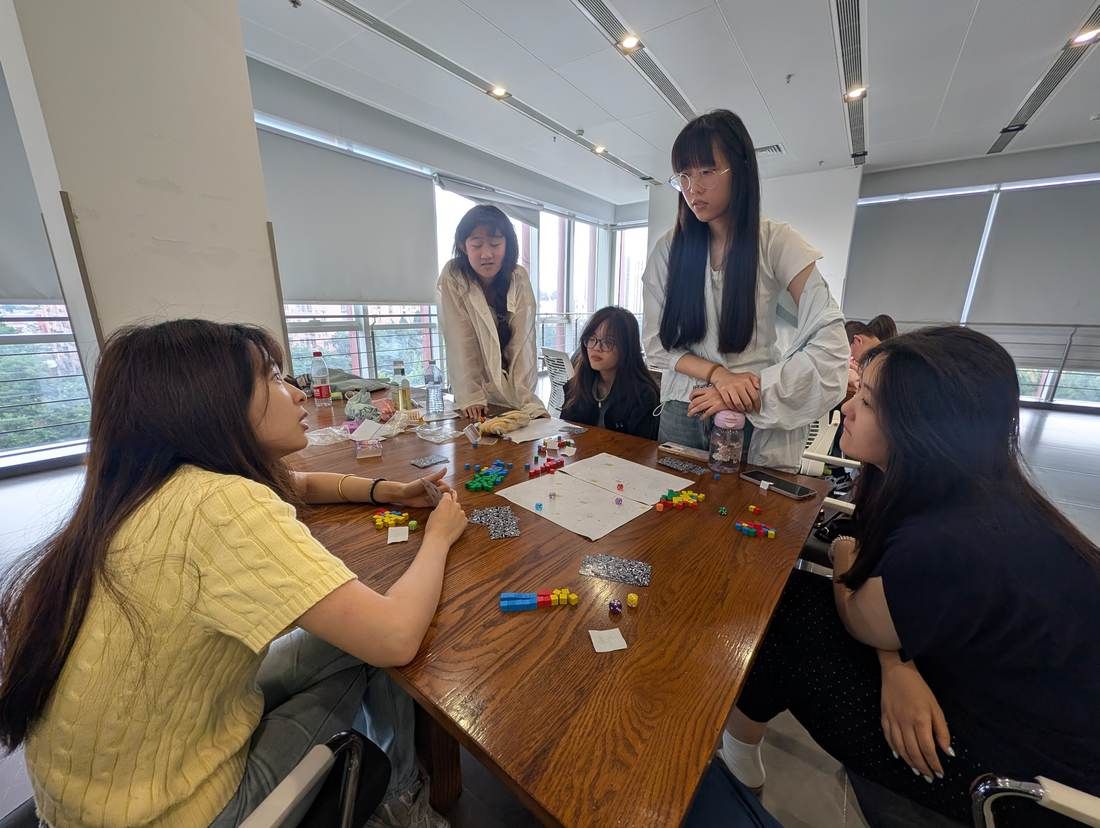
Students playing a game around a classroom table
A game design class Scott taught in summer 2026

Mission

To build leaders and community through experiential learning and play.

Vision

Every community in Hawaiʻi has a regular place where kids and adults practice leading, teaching and solving problems together.

What we teach

The material draws on developmental psychology, education and game design. In practice it comes down to five topics, and every program uses them.

  • Why play matters for development
  • Cooperation and working through conflict
  • Managing emotions
  • Designing games and experiences for people
  • Teaching and leading others

How a session works

Every session has a goal, a game and a debrief.

Before a session, the facilitator picks a goal and a game that fits it. Say the goal is making decisions as a group. We might pick a cooperative game where the whole table has to agree on every move. The debrief at the end is where people connect what happened in the game to the goal.

1

Frame

The facilitator explains what the session is for and what to watch for. For example: how does the group make decisions, who ends up explaining the rules, and what happens when someone falls behind?

2

Play

Participants play a game, or build one. The facilitator watches, moves people between tables if needed, and mostly stays out of the way.

3

Debrief

We talk through what happened. What worked? What would you change? Where else in your life have you seen the same thing happen?

“In play it is as though he were a head taller than himself.”Lev Vygotsky

Three roles people practice

The Teacher

Explaining a game to people who have never seen it, and checking that they actually understood.

The Facilitator

Keeping a table going when someone is frustrated, losing or feeling left out.

The Player

Planning with limited options, committing to a decision, and recovering from a bad turn.

Programs

Two kinds of programs

Both use the same topics and the same method. The difference is who attends and where we meet. Neither is running yet. We're looking for partner sites to host the first sessions.

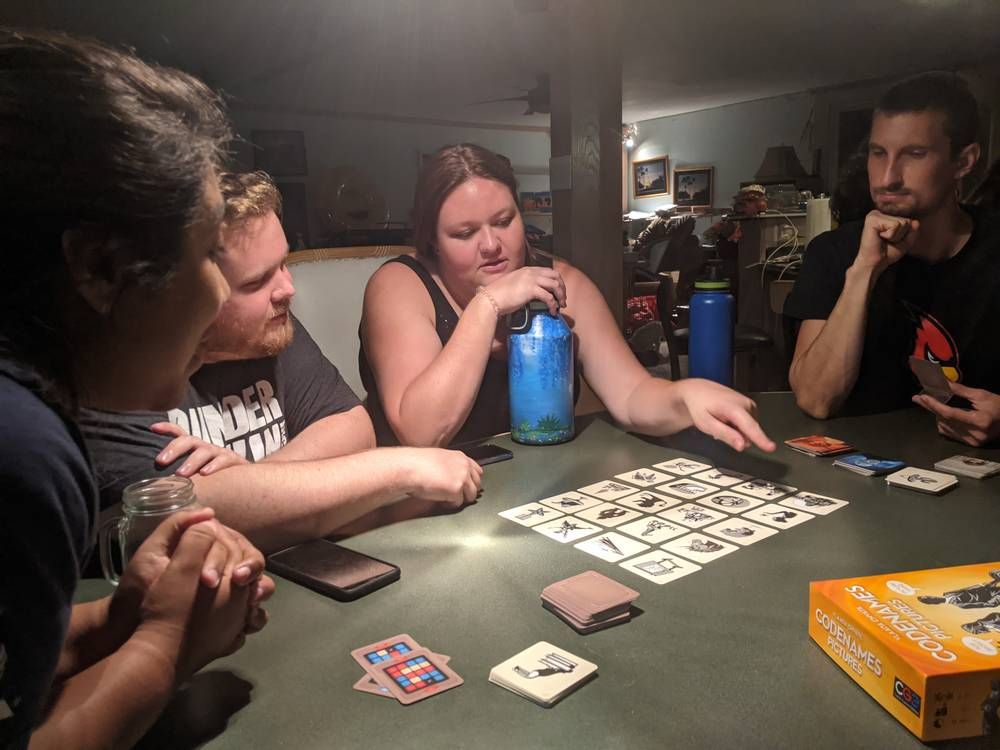
Adults around a table learning a card game

Community programs

Workshops and short series for the public

These are open to anyone, including adults and families. A workshop is a single session. A series runs three to five sessions on one topic, such as cooperation or working through conflict.

Who
Anyone. You don't need to be a member or know how to play.
Where
Libraries, churches, community centers and county parks facilities
Cost
Free or low cost. Any fee just covers our costs.
Looking for host sites
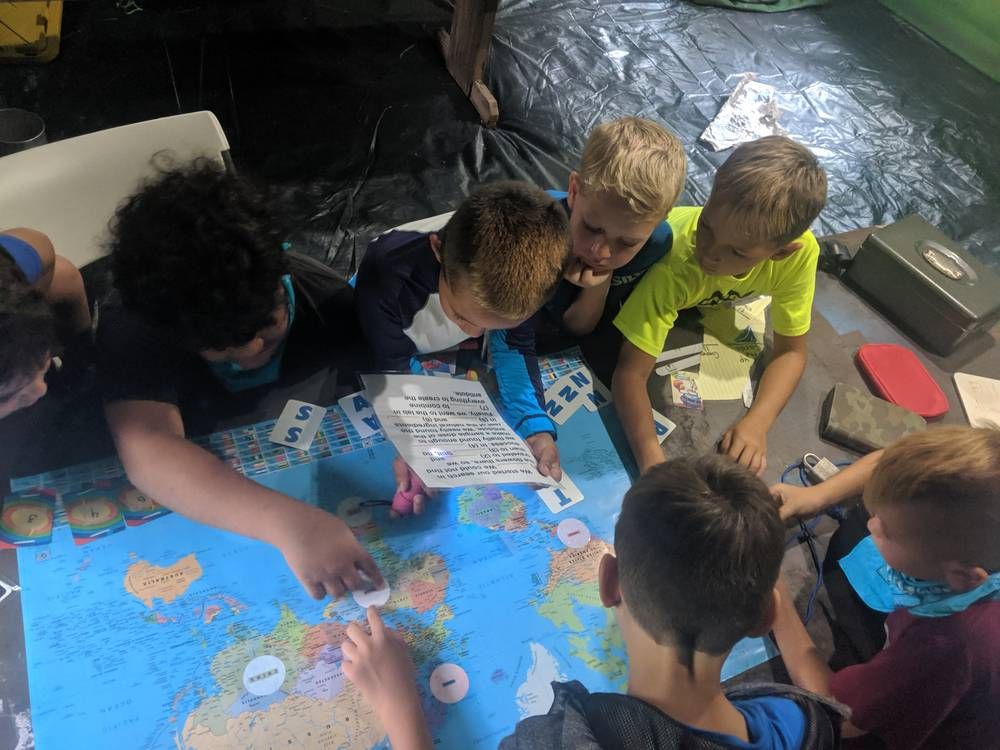
Children working together on a map puzzle

Youth programs

After-school and out-of-school courses

Courses for students ages 5 to 18, grouped by age. The game design course below gives a good idea of what one looks like.

Who
Ages 5 to 18, in elementary, middle and high school groups
Where
Schools, libraries, community centers, parks facilities and youth programs
Cost
Free or low cost. Any fee just covers our costs.
Looking for host sites

Example youth course

Out of the Box Design

This is a game design course Scott has been teaching to students ages 10 to 15. Students play real games, take them apart to see how they work, and then design their own.

Group
8 to 12 students, ages 10 to 15
Length
Six 90-minute sessions, or a shorter three-session version
Materials
We bring the games and prototyping supplies. Your staff don't need to prepare anything.
  1. 01

    Play a game, then break it down

    We start by playing. Then we name the parts every game has: actions, goals, rules, objects, the play space and the players.

    Circle games · card games

  2. 02

    Change one rule

    Students go back to a game they know, change one rule, and predict what will happen. Then they play it again and write one sentence: what did that change do to how the game felt? It's a small experiment, and it teaches students to notice how rules shape an experience.

    Prediction · replay · written reflection

  3. 03

    Build an escape room puzzle

    Groups build a puzzle from a lock and a handful of random objects. Then they watch another group try to solve it without saying a word. Watching someone miss a clue you were sure was obvious teaches more than a lecture on the subject would.

    Locks · puzzle build · timed cold solve

  4. 04

    Study randomness with dice

    Students play three push-your-luck dice games. Before playing, each group guesses how often a turn will bust. Then they count what actually happens and compare the two numbers. After that, they build a dice game of their own with one deliberate source of tension.

    Can't Stop · Pig · predicted vs. observed

  5. 05

    Design a game: early stages

    Teams pick a theme and describe the experience they want a player to have. Then they build toward it with paper, index cards, dice and cubes. The first playtest happens the same day.

    Prototype · first playtest

  6. 06

    Playtest, revise and present

    Each group writes rules that another group can follow without help, then fixes the spots where players got stuck. At the end, each group presents what they wanted players to feel, what actually happened, and what they changed.

    Rules writing · playtest rotation · post-mortem

By the end, every student has designed a game, watched someone else play it, and revised it twice.

What people practice

What people practice at the table

People usually sit down to a game because they want to play it. The skills below get practiced along the way, and the debrief helps people notice them.

Paying attention

A good game keeps a player right at the edge of what they can handle, often for an hour or more.

Face-to-face time

Everyone is at the same table, off their phones, and paying attention to each other.

Seeing progress

Building something over the course of a game, like an engine, a route or a set, shows players that they're getting better.

Agreeing on the rules

Every table has to settle what a rule means and who decides when it's unclear. It's a small version of how any group governs itself.

Leading without a title

Teaching a game, running a table and keeping a frustrated player involved are everyday leadership. Players do them over and over.

Failing safely

A game is a cheap place to be wrong. You can try an idea, watch it fail, and try something else the same afternoon.

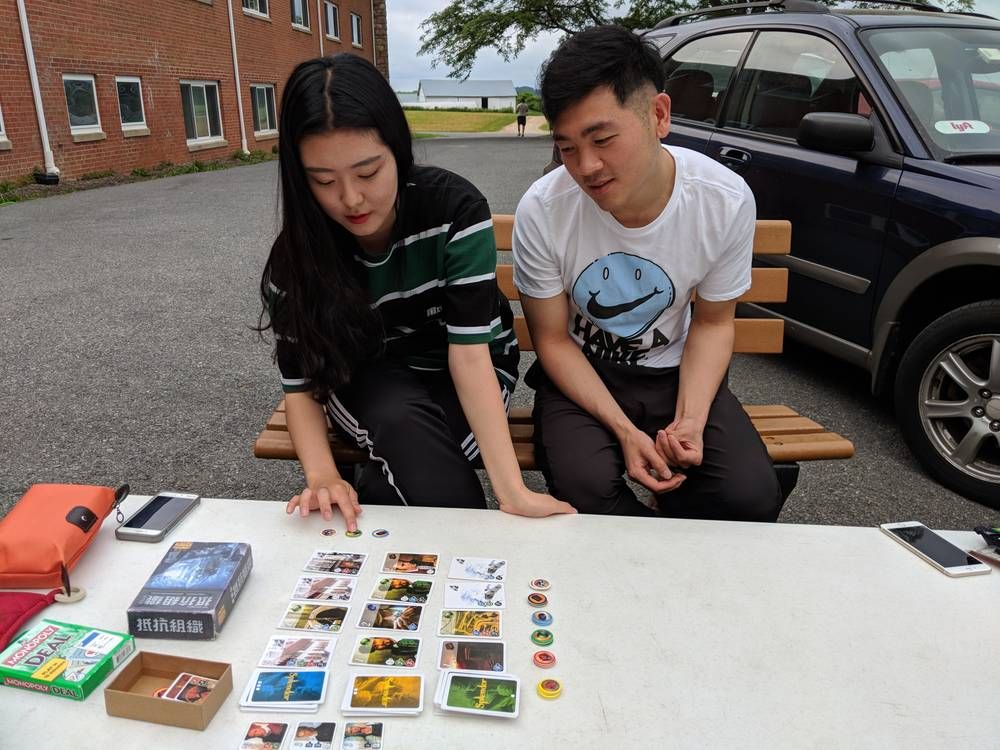
Two students playing a card game outdoors
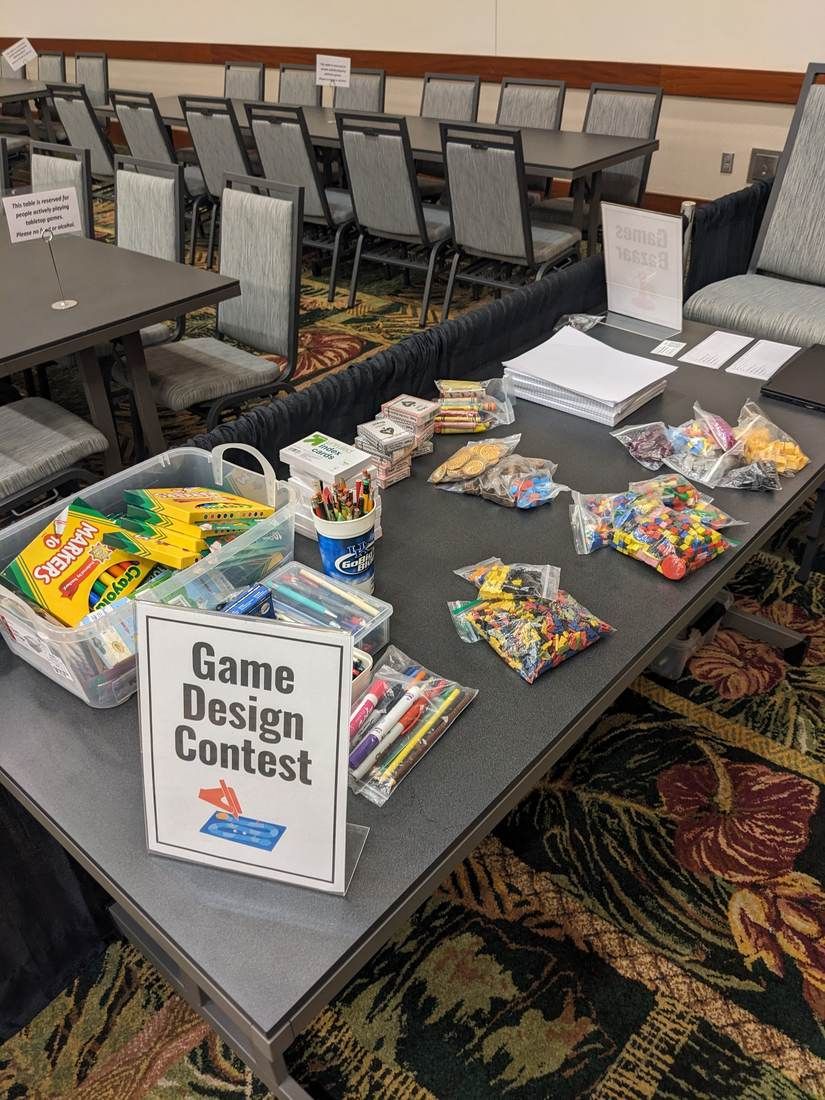
Prototyping materials laid out for a game design contest
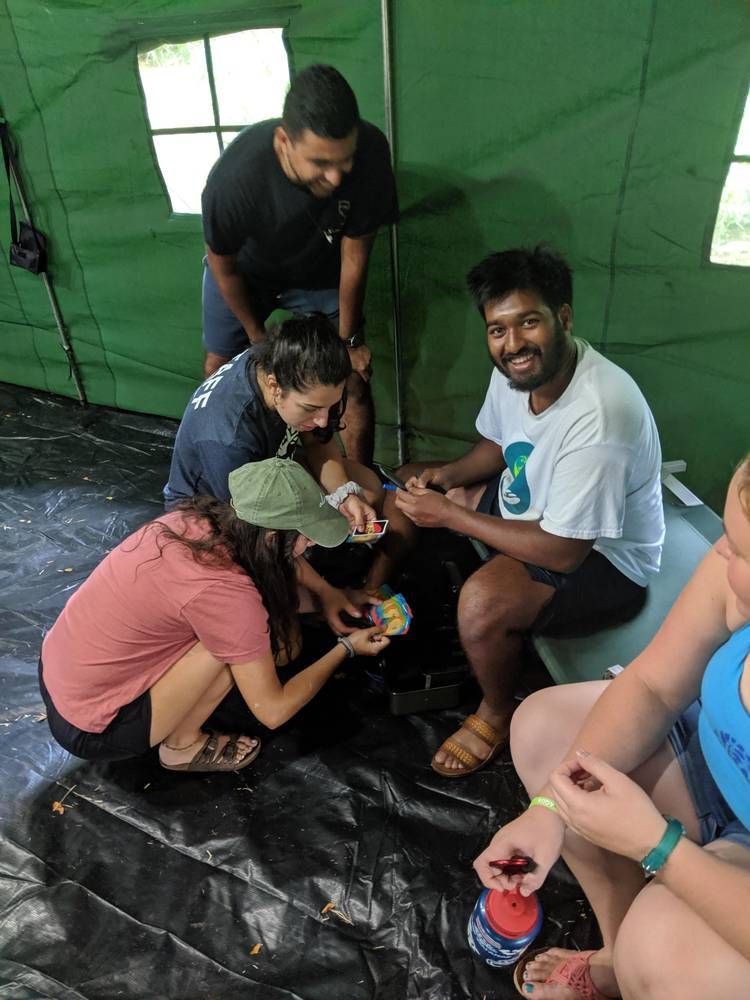
Adults solving an escape room puzzle in a tent
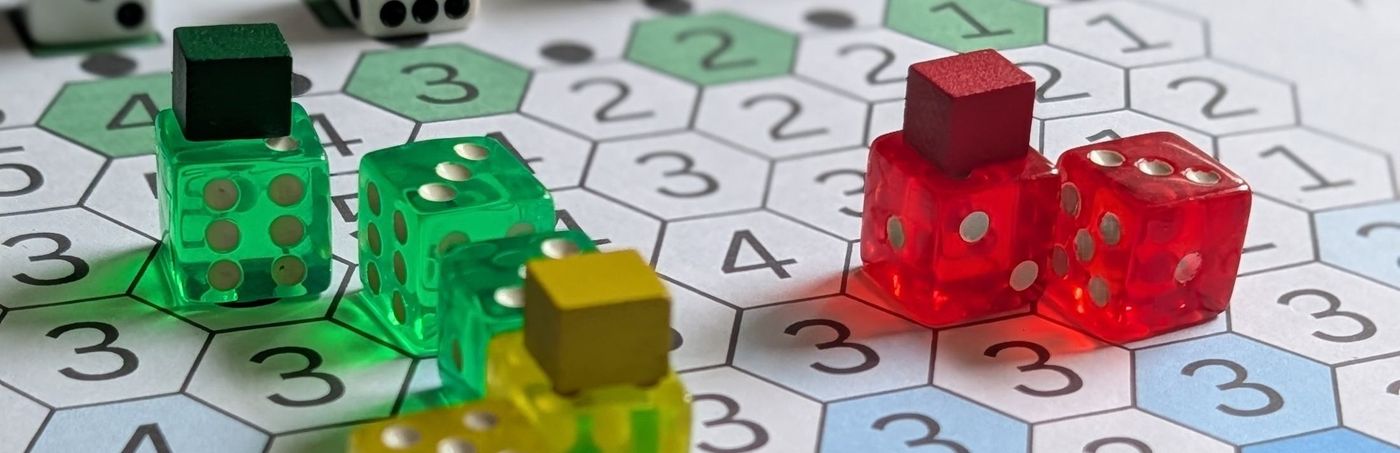
Dice on a hex board during a dice game session
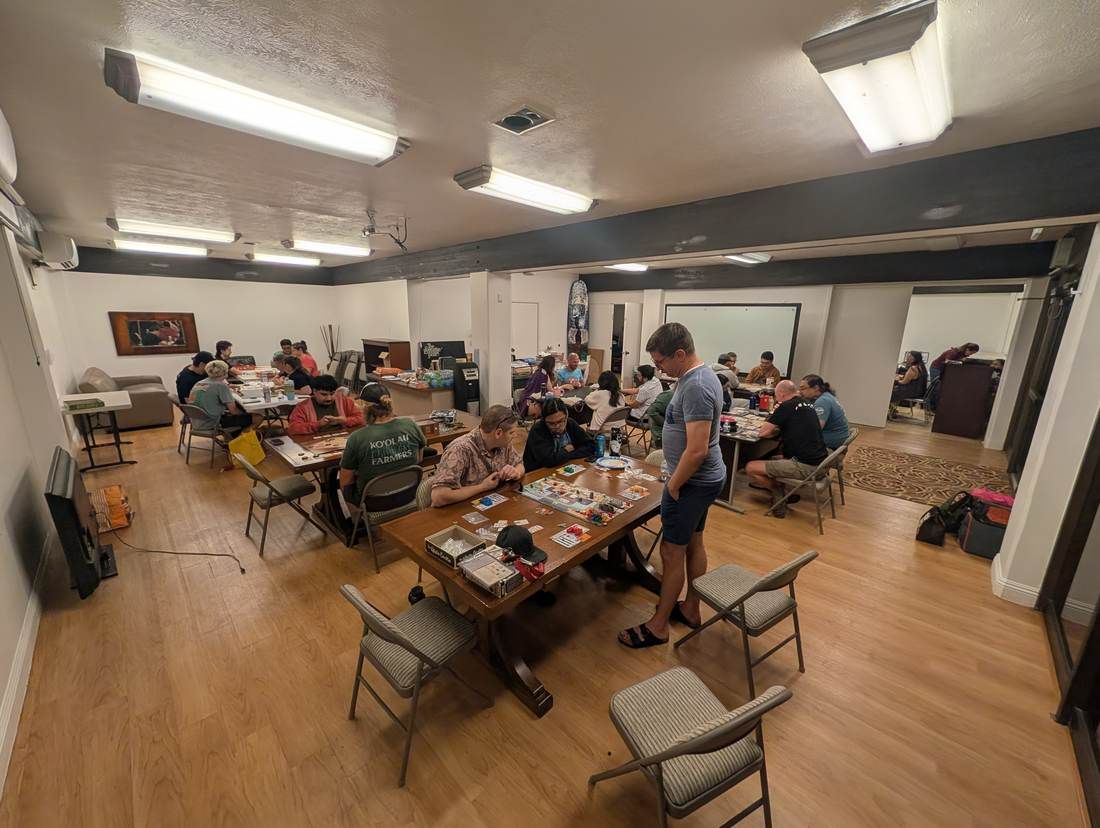
A community room full of tables of people playing board games at Monday game night
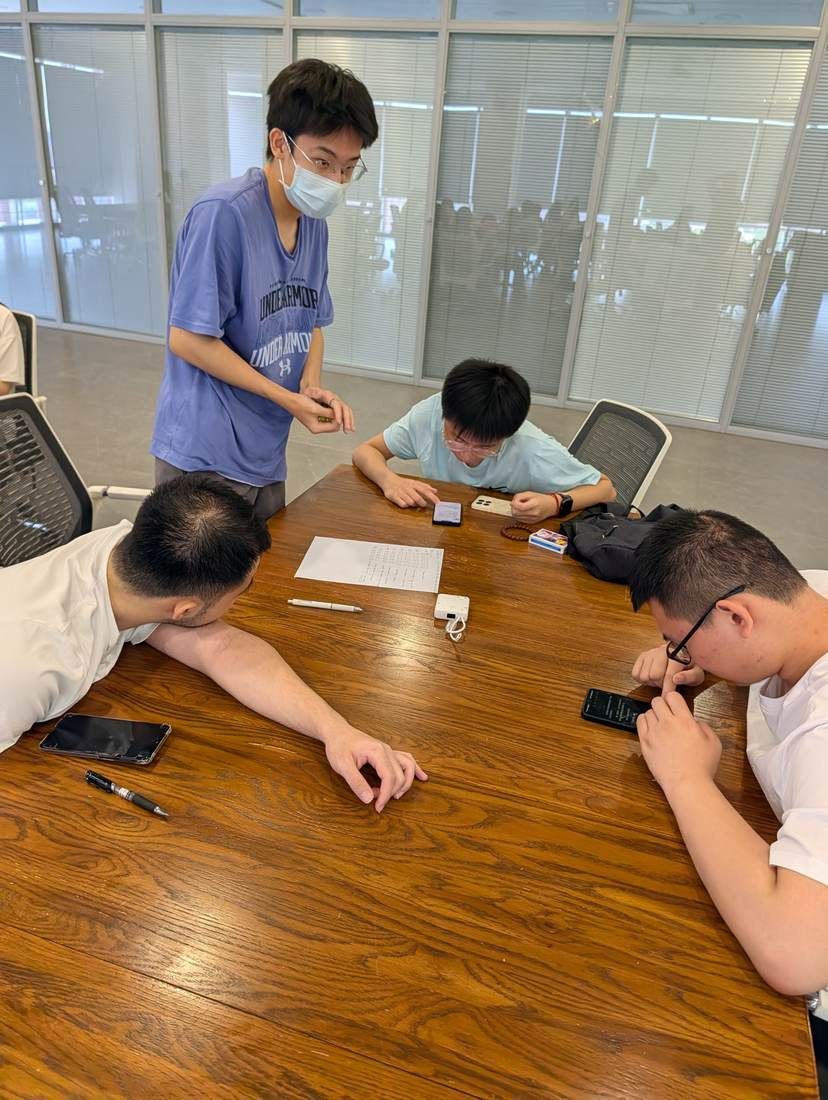
University students in a game design class
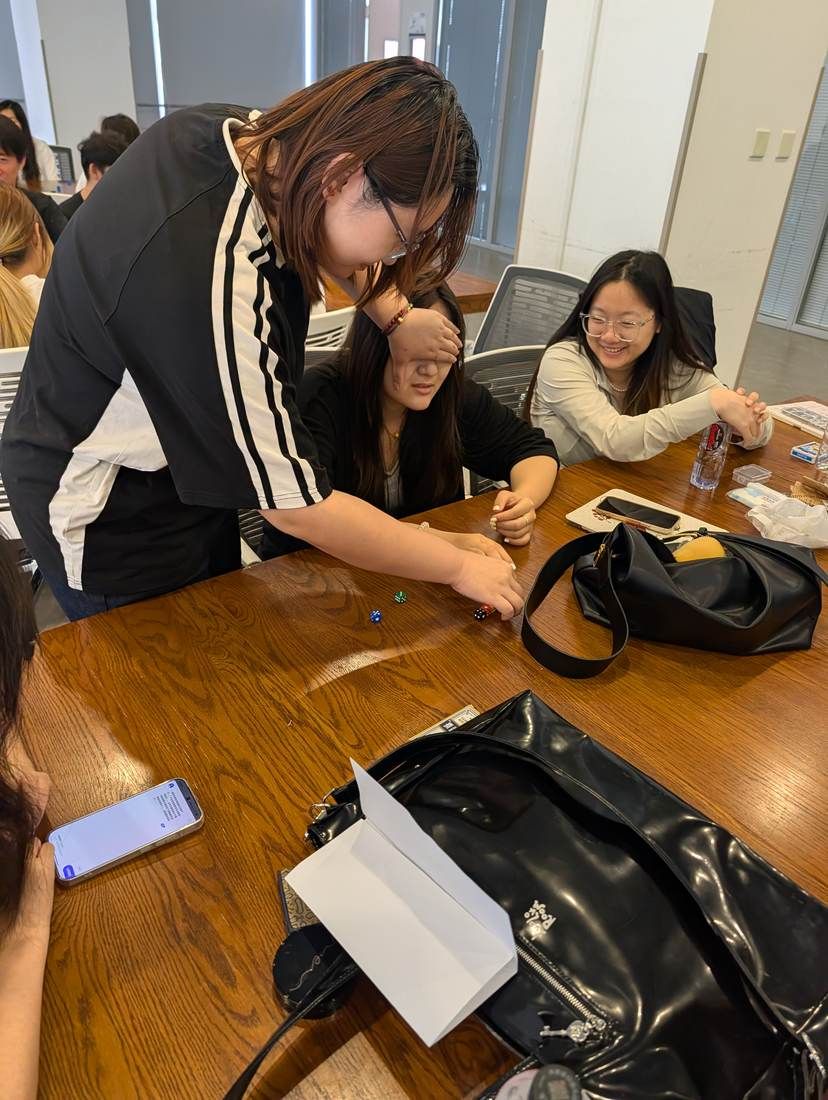
Students testing a game prototype with one player blindfolded

Founder

Scott Kabel, PhD

Scott has a PhD in Curriculum and Instruction from the University at Buffalo. He has worked with young people for more than twenty years, in summer camps, schools and classrooms. He also designs board games, has printed and sold two of them, and has run a weekly game night on Oʻahu since 2022.

  • 2002–2021Worked eighteen summer camp assignments at eight locations in the United States and Asia. Directed camps in Michigan and Beijing, and coordinated an American Camp Association reaccreditation.
  • 2016–2018Taught and tutored at a boarding high school in Pennsylvania, including English-language learners.
  • 2019–2022Designed and ran four escape rooms, three of them at Camp Waiʻanae.
  • 2022–presentSubstitute teacher for the Hawaiʻi Department of Education at Moanalua High School and other campuses on Oʻahu.
  • 2022–presentRuns a weekly Monday game night and hosts game nights at churches and community centers.
  • Summer 2026Taught a university course in Game Design and Psychology at the Gengdan Institute, Beijing University of Technology.

Board of Directors

Scott KabelFounder Ming ChiDirector Justin GoodwinDirector
Partner with us

Interested in hosting?

If you run a school, library, church or community center, here's how it would work. You provide a room, tables and a time slot. We bring the facilitator, the games and the materials.

  1. 1

    Tell us about your group

    How many people, what ages, which days and times work, and what you'd like them to get out of it.

  2. 2

    See a session

    If it helps, we can run one session first so your staff can see how it works before you commit to anything.

  3. 3

    Plan a series

    If it's a good fit, we'll schedule the rest of the sessions and agree on any fee. Our fees only cover our costs.

Contact

Scott Kabel, Founder · Honolulu, Hawaiʻi

sdkabel@gmail.com
607-426-4538

Who we'd like to work with

SchoolsPublic librariesChurchesCommunity centersCounty parks facilitiesYouth organizations

Working with different ages, a different group size or an odd schedule? Let me know what you have in mind, and I'll tell you straight whether we can do it.